Celebrating Women’s History Month:Prioritizing Health and Well-Being in Women's Lives

Your body is meant to adapt and evolve throughout life. With the right support, women can stay strong, mobile, and pain-free through every stage—from adolescence to motherhood to healthy aging.
At AURA, we specialize in helping women reconnect with their bodies through hands-on care, movement education, and individualized treatment.
If you're navigating pregnancy, postpartum recovery, or simply want to feel stronger in your body, our team is here to help.
A Woman’s Body Through the Lifespan
Movement & Wellness at Every Stage
Women’s bodies change throughout life due to hormones, lifestyle shifts, pregnancy, aging, and stress. At AURA, we believe understanding these changes helps women stay strong, pain-free, and confident in their bodies.
Here’s a guide to supporting your body through the most common stages of life.
1. Adolescence & Early Adulthood (Teens–20s)
During adolescence and early adulthood, the body is developing rapidly and activity levels are often high.
Common Physical Challenges
Sports injuries
Postural issues from school or screens
Knee pain (especially in young female athletes)
Hip instability
Focus Areas
Building foundational strength
Learning good movement patterns
Injury prevention
Developing lifelong exercise habits
Helpful Practices
Strength training for hips and core
Cross-training and mobility work
Education about proper recovery
2. Career & Busy Life Years (Late 20s–30s)
This stage often involves career building, family planning, and long work hours.
Common Physical Challenges
Neck and shoulder tension
Low back pain
Stress-related muscle tightness
Decreased time for exercise
Focus Areas
Posture and ergonomic habits
Stress management
Maintaining strength despite a busy schedule
Helpful Practices
Short daily mobility routines
Pilates for core stability
Breathwork for nervous system regulation
3. Pregnancy (Prenatal)
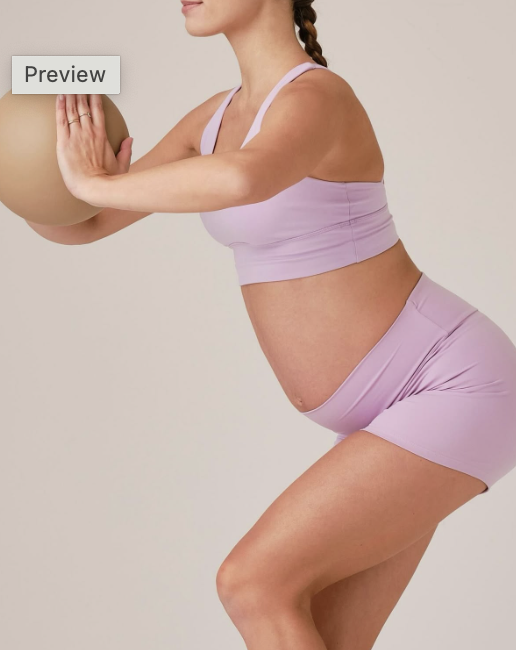
Pregnancy creates major changes in muscles, ligaments, posture, and breathing patterns.
Common Physical Challenges
Low back pain
Pelvic pain
Sciatica
Rib discomfort
Balance changes
Focus Areas
Pelvic floor awareness
Core support (deep abdominal system)
Hip and glute strength
Breathing mechanics
Helpful Practices
Prenatal Pilates or guided strength work
Gentle mobility for hips and spine
Education on pushing mechanics and labor positions
4. Postpartum Recovery
The postpartum period is often misunderstood. Recovery from pregnancy and birth can take months to a year or more.
Common Physical Challenges
Core weakness
Pelvic floor dysfunction
Diastasis recti
Neck and back pain from feeding and carrying baby
Return-to-exercise uncertainty
Focus Areas
Reconnecting with the deep core system
Pelvic floor coordination
Gradual return to impact exercise
Postural support for caregiving
Helpful Practices
Guided postpartum rehab
Core retraining before high-impact exercise
Strengthening glutes and upper back
5. Midlife & Hormonal Transition (40s–50s)
Hormonal changes during perimenopause affect muscle mass, joint health, and recovery.
Common Physical Challenges
Joint stiffness
Reduced muscle mass
Changes in metabolism
Sleep disruption
Increased injury risk
Focus Areas
Strength training for bone health
Mobility and recovery
Managing stress and inflammation
Helpful Practices
Progressive resistance training
Pilates for joint stability
Consistent mobility work
6. Healthy Aging (60+)
Staying active is one of the most powerful ways to maintain independence and quality of life.
Common Physical Challenges
Balance changes
Joint stiffness
Reduced bone density
Slower recovery from injury
Focus Areas
Strength
Balance and fall prevention
Joint mobility
Maintaining independence
Helpful Practices
Resistance training
Balance exercises
Walking and functional movement training
Your body is meant to adapt and evolve throughout life. With the right support, women can stay strong, mobile, and pain-free through every stage—from adolescence to motherhood to healthy aging.
At AURA, we specialize in helping women reconnect with their bodies through hands-on care, movement education, and individualized treatment.
If you're navigating pregnancy, postpartum recovery, or simply want to feel stronger in your body, our team is here to help.

5 Things Every Patient Should Know About Their Body
1. Your Core Is More Than Your Abs
Your core is a system, not just the “six-pack” muscles. It includes your diaphragm, deep abdominal muscles, back muscles, and pelvic floor.
These muscles work together to support:
Posture
Breathing
Spine stability
Pelvic health
When the system isn’t coordinated, you may experience:
Back pain
Pelvic floor symptoms
Poor movement control
What helps:
Learning how to coordinate breathing with deep core activation.
2. Pelvic Floor Issues Are Common — But Not Normal
Many patients experience symptoms like:
Leaking with exercise
Pain with intercourse
Pelvic heaviness
Difficulty fully emptying bladder
But they are treatable with pelvic health physical therapy.
What helps:
Assessment of pelvic floor coordination and strength.
3. Strength Training Is Essential
We naturally lose muscle mass starting in our 30s, and this accelerates especially for women during perimenopause.
Strength training supports:
Bone density
Metabolism
Joint stability
Injury prevention
Despite the myth, lifting weights does not make women bulky—it builds resilience.
What helps:
Strength training 2–3 times per week.
4. Pain Is Often a Movement Problem, Not Just a Structural One
Many aches and pains come from how we move, not just what is “damaged.”
Common examples:
Back pain from poor hip mobility
Knee pain from weak glutes
Neck pain from prolonged desk posture
Improving movement patterns and muscle coordination often reduces pain dramatically.
What helps:
Individualized movement assessment and retraining.
5. Recovery Matters as Much as Exercise
Our bodies rebuild and adapt during recovery, not during exercise itself.
Without recovery, you may experience:
Persistent soreness
Fatigue
Hormonal stress
Increased injury risk
Recovery includes:
Sleep
Mobility work
Breathwork
Stress management
What helps:
Building recovery practices into your weekly routine.
Prenatal Pilates Routine
Postnatal recovery Pilates is a highly effective approach for rebuilding strength, improving posture, and supporting the body’s healing process after childbirth. During this period, many women experience common issues such as diastasis recti, lower back pain, neck and shoulder tension, and pelvic floor dysfunction - including urinary incontinence and pelvic organ prolapse.
These issues are often linked to changes in breathing patterns and reduced core function following pregnancy. Re-establishing proper breathing mechanics is a crucial first step, as it helps reconnect the diaphragm, core, and pelvic floor. Beginning with gentle, breath-focused movements allows for the development of a stable and supportive foundation.
Building this foundation is essential for safely progressing to more challenging exercises over time. With consistent practice, postnatal Pilates can enhance strength, improve movement quality, and support overall well-being—making everyday tasks and caring for your child feel more manageable and sustainable.
Some Pilates exercises to help build a strong foundation while addressing these common issues are:
Diaphragmatic Breathing
Helps with : Diastasis recti by improving deep core engagement
Set up: Lie flat on your back
1. Inhale (4 seconds)
• Breathe through your nose.
• Feel your belly + side ribs expand.
• Chest stays relatively quiet.
2. Exhale (6 seconds)
• Slowly breathe out through mouth.
• Gently draw ribs down.
• Lightly engage lower abs (naval to spine).
Rep: 6–10 slow breaths.
Alternate heel touch
Helps with: Low back pain by improving core stability and hip dissociation
Set up: Lie on your back with your legs bent and your feet flat on the floor. Place your hands on your abdomen.
•Raise one leg, and then the other leg, up to the table-top position, with your hips and knees at 90 degrees.
•(Inhale) Maintain a strong stable position with your back
•(Exhale) Lower one heel down towards the floor
•(Inhale) Return leg to table-top position.
Repeat with the other leg. Alternate both legs. Continue this movement, ensuring you do not allow your lower back to arch.
Reps: 8-10 , Sets: 2-3
*Modification: alternate with one leg in table-top position and the other leg bent with foot flat on the floor.
Cat-Cow
Helps with: Spine mobility to reduce upper/lower back and neck tension
Set up: Start on your hands and knees with your back in a neutral position.
•(Inhale) Arch your back, lifting your head up and pushing your tail bone out, making a dish with your spine.
•Hold this position.
•(Exhale) Bend your back up by tucking your head and tail bone in and pulling your belly button in towards your spine, making a curve through your back.
•Hold this position, and then repeat
Reps: 10-12 , Sets: 3
Knee fall out
Helps with: core stability, Diastasis recti and pelvic floor stabilization
Set up: Lie on your back with your knees bent and your feet flat on the floor. •Keep your legs hips width apart
•(Inhale)
•(Exhale) tighten the core stability muscles by lifting your pelvic floor up towards your naval and drawing your abdominal muscles into your spine. (Imagine you are trying to pull the two bones at the front of your pelvis together)
•Holding this tension (Inhale) drop one knee out to the side. (Do not allow the other knee to move, or your hips to rotate with the movement)
•Control this position (Exhale) as you bring the knee back up to the starting position. •Repeat with other knee. Alternating knees
Reps: 8 , Sets: 2-3
Things to look out for during exercise and movement: Doming/bulging in your abdomen, pelvic pain or heaviness, urine leakage, low back strain.
Most postnatal women are typically cleared to return to exercise around 6–8 weeks postpartum, depending on whether they had a vaginal or cesarean delivery. Many of these gentle, breath-focused exercises can begin earlier in the recovery process, as tolerated, to support healing and reconnection with the body. However, this timeline can vary based on individual recovery and medical considerations. It is important to consult with a physical therapist or pelvic health specialist for an individualized assessment and guidance tailored to your specific needs.