Resolutions for the New Year!
With 2025 coming to a close, whether you’ve celebrated finishing your first walk, jog, 3K run, or even a marathon—give your body the gift of recovery. You’ve put in the miles, the effort, and the dedication. Now it’s time to restore, recharge, and prepare your body for the year ahead.
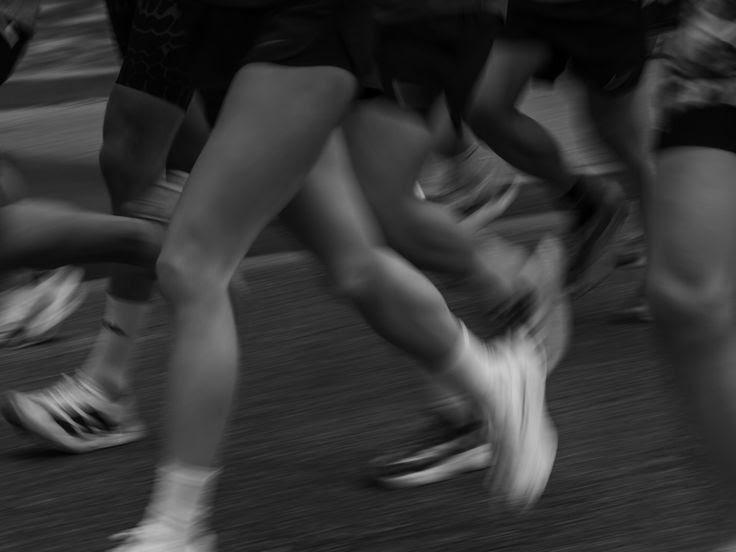
Why Pilates Helps Runners
Running requires coordinated movement across the ankle/foot, knee, hip, pelvis, and core.
Common Running Injuries
● Patellofemoral pain
● Achilles tendinopathy
● Medial tibial stress syndrome (shin splints)
● Plantar heel pain (plantar fasciitis)
● Iliotibial band syndrome (ITB syndrome)
● Deep gluteal syndrome / piriformis syndrome
● Gluteal tendinopathy
● Stress fracture
Returning to high-volume training too soon is one of the biggest causes of reinjury. Addressing and rehabbing these injuries now can help your body prepare efficiently for future runs. Pilates train full-body integration through concentration, centering, breathing, flow, precision, and control. Pilates teaches movement from your core.
A well-functioning core helps you:
● Control your trunk over a planted leg
● Transfer force efficiently
● Maintain better alignment
● Reduce excessive load on knees, hips, and ankles
A strong, stable spine supports efficient running mechanics. Pilates can be a great addition to running recovery and progressive loading to return to full performance in preparation for your next run. Adding strength and mobility exercises improves the capacity of your muscles, tendons, and bones to handle running loads. This leads to better performance and lower injury risk allowing you to be prepared for all the running this new year has to bring!
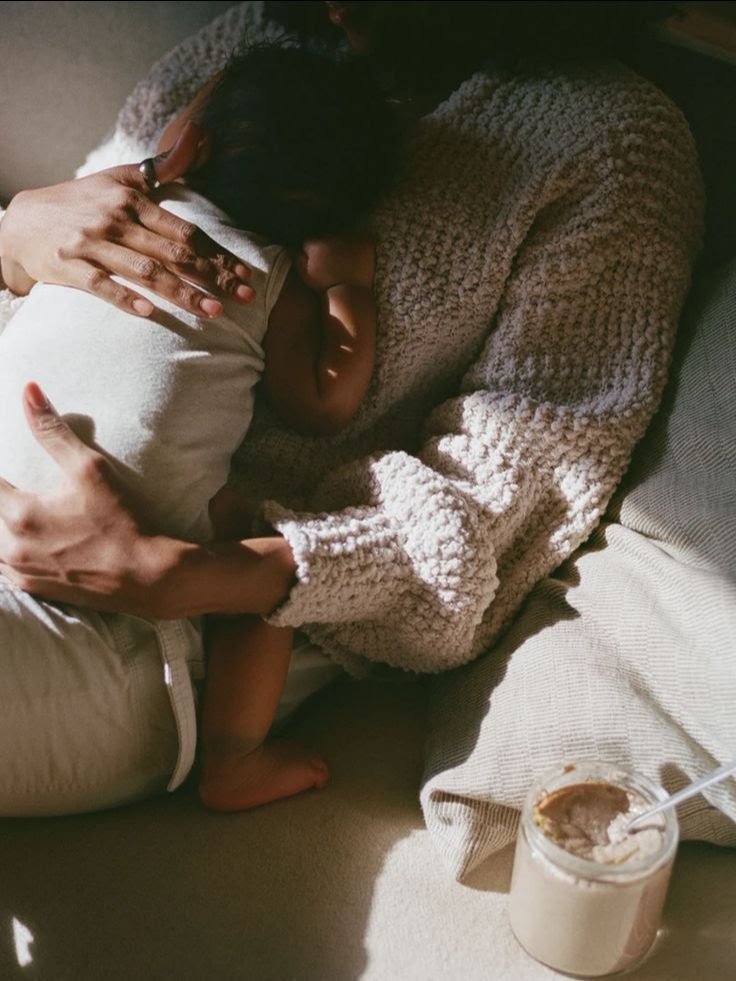
Postpartum Recovery
1. Rest — Even a few deep breaths help calm your nervous system. Rest allows healing,
hormonal recovery, and emotional regulation.
2. Rehydrate — Hydration supports breastfeeding, tissue repair, and energy levels.
3. Refuel — Adequate nutrition to rebuild energy, and support postpartum recovery.
4.Revitalize — Move your body each day. From mindful breathing during the early days of your postpartum recovery, walking, gentle stretching, dancing with baby, etc. Movement boosts circulation, mood, and core awareness. Based on your individual postpartum recovery journey, with clearance by your doctor, progressions in your movement can start between 6 weeks - 12 weeks postpartum.
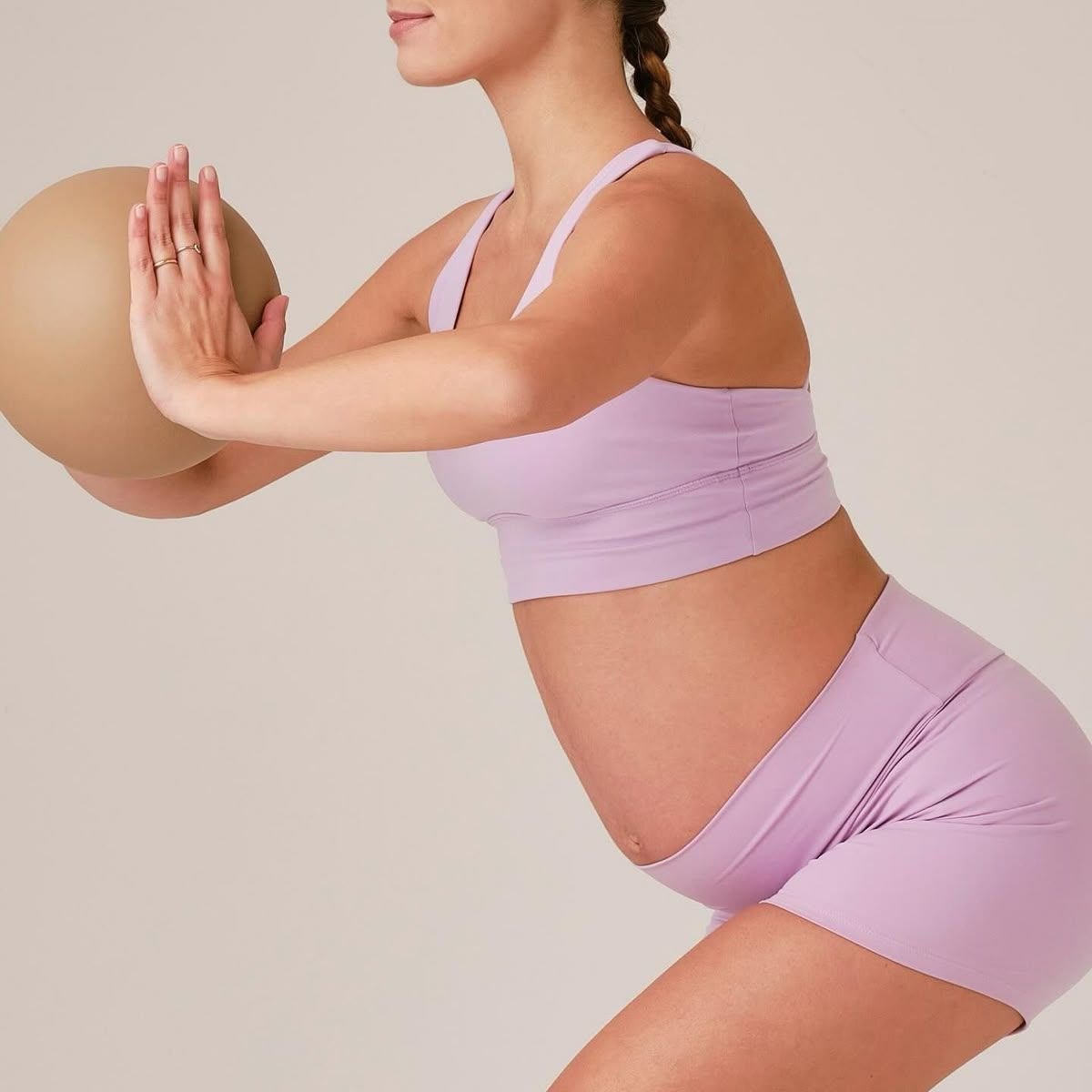
Pilates Movement For Postpartum Recovery
Pilates helps you reconnect with your body by integrating breath, pelvic floor, and core
engagement into full-body movement. During your postpartum recovery, Pilates can benefit in many ways:
● Relaxes tense muscles, encouraging calm and a sense of wellbeing
● Releases endorphins, supporting mood and emotional resilience
● Improves sleep quality
● Enhances body awareness and gentle reconditioning
● Builds strength gradually, safely, and with intention
The body works in a delicate balance, with the abdominal muscles, diaphragm, back, hips, glutes, all working together. These systems help stabilize the pelvis, support healthy posture, and coordinate movement. Pilates promotes full-body integration to restore proper biomechanics and movement patterns that support everyday activities—like bending and lifting your baby or maintaining comfortable breastfeeding postures. It’s an effective way to support your postpartum recovery as a new mom in the new year!